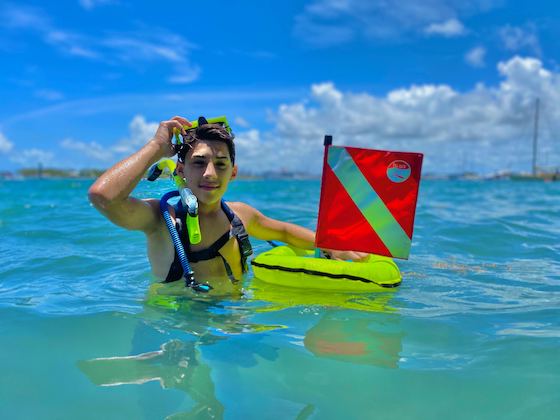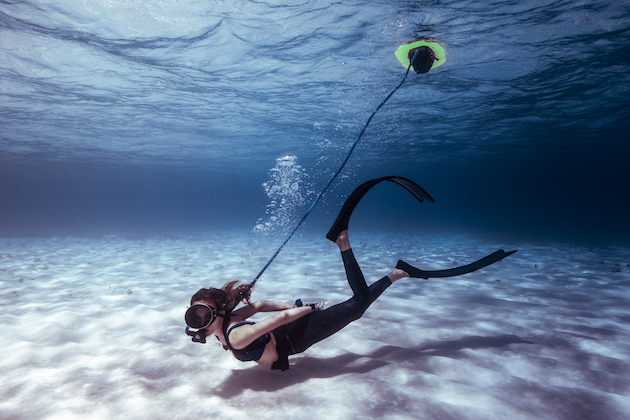
Underwater diving is inherently risky. For enjoyable experiences with Nemo or Nomad/Nomad Mini follow the guidelines below and complete the BLU3 dive training course.
The information contained in our online course is designed to prepare you for the use of Nemo or Nomad/Nomad Mini tankless dive systems. A pool is perfect for becoming comfortable with techniques like buoyancy control, clearing your dive mask, and other skills that are taught in the BLU3 dive training course. This course is available free of charge online on a user-friendly platform.

Who Can Participate in Nemo/Nomad/Nomad Mini Diving?
All users should meeting the following course prerequisites before diving with Nemo or Nomad/Nomad Mini:
Users must be able to swim 200 yards without stopping
Users must be able to tread water continuously for 10 minutes
Users must be 8 years of age or older
Users under the age of 10 years old must be limited to a swimming pool in water shallow enough that they can stand up with their head above the surface of the water
Users younger than 12 years of age who are diving with Nomad/Nomad Mini (as opposed to Nemo) must be limited to a swimming pool in water shallow enough that they can stand up with their head above the surface of the water
Users younger than 16 years of age must have parental or guardian supervision at all times
Stay up-to-date with the latest news and products from BLU3.
tankless dive system, blu3 dive system, nomad dive system, blue 3, blue nomad dive system, nemo blue 3, blu3 nomad mini, diveblu3, blu3, blu 3
Benefits of Tankless Dive Systems
Tankless dive systems, like those offered by BLU3, provide a unique diving experience that emphasizes freedom of movement and ease of use. Without the burden of traditional tanks, divers can enjoy a more natural underwater experience, allowing for greater exploration and comfort.
These systems are designed to be lightweight and portable, making them ideal for both beginners and experienced divers. The Nemo and Nomad/Nomad Mini models facilitate longer dive times and reduce the need for cumbersome equipment, which can enhance the overall enjoyment of underwater adventures.
Pre-Dive Safety Checks
Conducting pre-dive safety checks is an essential step for ensuring a safe diving experience. BLU3's training course emphasizes the importance of checking equipment functionality, verifying buddy systems, and assessing environmental conditions before entering the water.
Participants learn to perform thorough equipment checks, including examining the tankless dive system for any signs of wear or malfunction. By instilling these practices, divers can significantly reduce risks and enhance their confidence in underwater environments.
Emergency Procedures for Divers
Understanding emergency procedures is crucial for any diver, especially when utilizing innovative systems like the Nemo and Nomad/Nomad Mini. The BLU3 training course provides detailed guidance on how to respond effectively to various underwater emergencies.
This includes training on how to handle equipment failures, manage panic situations, and execute safe ascents. By preparing divers for unexpected scenarios, the course aims to foster a culture of safety and preparedness in the diving community.
Post-Dive Care and Maintenance
Proper post-dive care and maintenance of diving equipment are vital for longevity and safety. The BLU3 dive training course includes modules on how to clean and store the Nemo and Nomad/Nomad Mini systems after use to ensure optimal performance during future dives.
Divers are taught to rinse their equipment with fresh water, check for any signs of damage, and store it in a cool, dry place. These practices not only extend the life of the dive systems but also enhance safety by ensuring that equipment is always in top condition for the next dive.
tankless dive system, blu3 dive system, nomad dive system, blue 3, blue nomad dive system, nemo blue 3, blu3 nomad mini, diveblu3, blu3, blu 3
Benefits of Tankless Dive Systems
Tankless dive systems, like those offered by BLU3, provide a unique diving experience that emphasizes freedom of movement and ease of use. Without the burden of traditional tanks, divers can enjoy a more natural underwater experience, allowing for greater exploration and comfort.
These systems are designed to be lightweight and portable, making them ideal for both beginners and experienced divers. The Nemo and Nomad/Nomad Mini models facilitate longer dive times and reduce the need for cumbersome equipment, which can enhance the overall enjoyment of underwater adventures.
Pre-Dive Safety Checks
Conducting pre-dive safety checks is an essential step for ensuring a safe diving experience. BLU3's training course emphasizes the importance of checking equipment functionality, verifying buddy systems, and assessing environmental conditions before entering the water.
Participants learn to perform thorough equipment checks, including examining the tankless dive system for any signs of wear or malfunction. By instilling these practices, divers can significantly reduce risks and enhance their confidence in underwater environments.
Emergency Procedures for Divers
Understanding emergency procedures is crucial for any diver, especially when utilizing innovative systems like the Nemo and Nomad/Nomad Mini. The BLU3 training course provides detailed guidance on how to respond effectively to various underwater emergencies.
This includes training on how to handle equipment failures, manage panic situations, and execute safe ascents. By preparing divers for unexpected scenarios, the course aims to foster a culture of safety and preparedness in the diving community.
Post-Dive Care and Maintenance
Proper post-dive care and maintenance of diving equipment are vital for longevity and safety. The BLU3 dive training course includes modules on how to clean and store the Nemo and Nomad/Nomad Mini systems after use to ensure optimal performance during future dives.
Divers are taught to rinse their equipment with fresh water, check for any signs of damage, and store it in a cool, dry place. These practices not only extend the life of the dive systems but also enhance safety by ensuring that equipment is always in top condition for the next dive.